Economic Forum LUXEMBOURG-TUNISIA
Sita Software / 08 May 2018
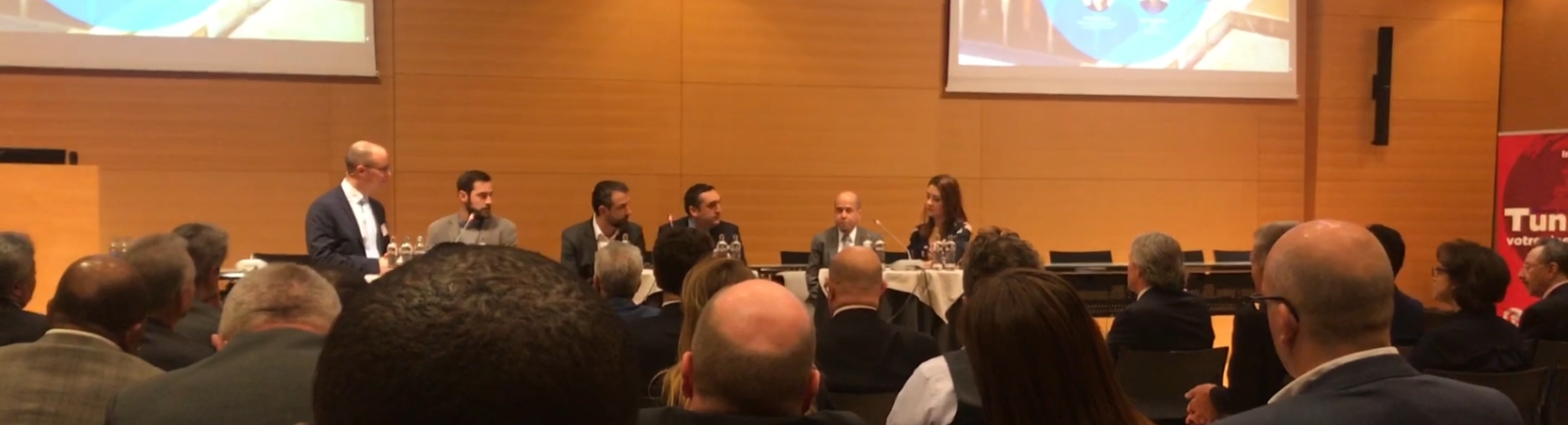
On April 27, 2018 Sita Software participated in the panel discussion of
the economic forum #Luxembourg #Tunisia
Emphasizing the high level of young ICT graduates, see the article of the chamber of commerce of Luxembourg
http://www.cc.lu/fr/actualites/detail/forum-economique-luxembourg-tunisie/
Attention, crypto!
Infrastructure / 06 July 2016

Ces petits programmes malveillants sont maintenant très bien présentés avec par exemple, une adresse email légitime et un contenu bien convaincant, sans faute d’orthographe ni de grammaire.
Quelques astuces pour éviter d’être la cible de ces programmes:
- Si le mail vient de votre adresse email mais que vous ne l’avez pas envoyé, ne prenez pas de risque, supprimez le. Des personnes mal intentionnées peuvent usurper le mail d’envoi, en se faisant passer pour vous-même.
- Si le mail contient une pièce jointe, sans message explicite de ce qu’il s’agit, ne l’ouvrez pas, vérifiez d’abord d’où provient le mail et éventuellement si le doute est permis, de contacter la personne (si vous la connaissez) pour s’assurer la véracité du mail.
ATTENTION: il se peut que le mail SEMBLE venir d’une source qui semble valable (un scanner par exemple) mais il peut s’agir d’un mail frauduleux. Toujours vérifier l’expéditeur du mail.
Liste des extensions de fichiers susceptibles d’être malveillants (liste non exhaustive): *.pdf, *.js, *.docm, *.docxm, *.xlsm, *.xlsxm, *.bat, *.exe, *.com, *.cmd, *.dll, *.chm, *.vbs, *.pif, *.ocx, *.vbx, *.shm etc.
Coboulux décide d'investir dans ses boucheries Emo
Sita Software / 21 January 2016
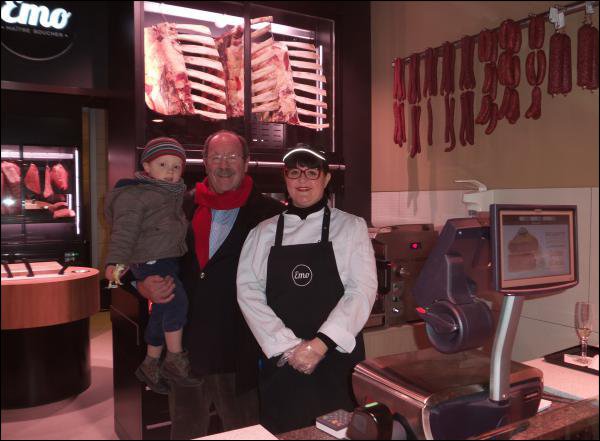
Coboulux a ouvert mercredi sa treizième boucherie Emo, Grand-Rue, à Luxembourg-Ville, à la suite de l’historique établissement Berg-Koenig fermé fin 2015. L’adresse, prestigieuse, correspond bien à la stratégie menée par l’entreprise luxembourgeoise sise à Wecker, où se trouvent son abattoir et son usine de production.
Coboulux a entamé un renouvellement de l’image de ses établissements, de distribution qu’elle veut plus moderne. «Nous voulons un concept différent de la boucherie traditionnelle, explique Jacques Linster, administrateur délégué. On s’est inspiré de la Belgique et de l’Angleterre, où l’on montre la viande avant de la découper. Il faut garder de l’artisanat dans les boutiques». D’ici deux ans, l’ensemble des «Emo - Maître Boucher» auront adopté la nouvelle identité et le nouveau concept. Pour un investissement compris «entre 8 et 10 millions d’euros».
Il faudra autant pour mener à bien l’expansion des boucheries, pour en doubler le nombre d’ici dix ans. «On manque encore dans certaines agglomérations», estime Jacques Linster. D’ici le printemps, une nouvelle enseigne doit ainsi fleurir dans le quartier de la Gare, dans la capitale. La nouvelle approche passe aussi par une transparence et une traçabilité accrues. Le client pourra ainsi prochainement scanner des QR Code afin de découvrir l’origine exacte de sa viande.
(Mathieu Vacon/L'essentiel)